 europa.house
europa.house
europa.house
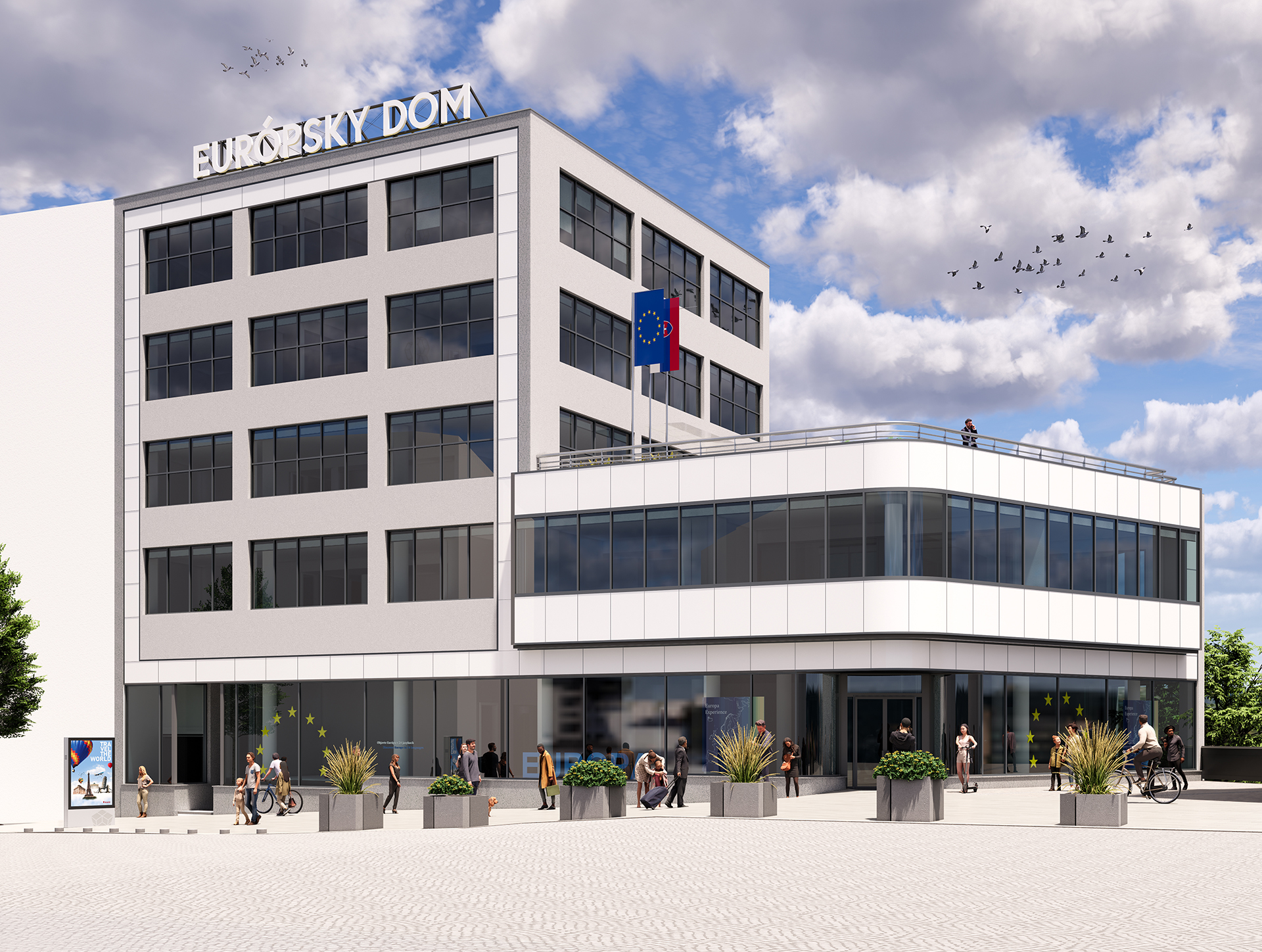
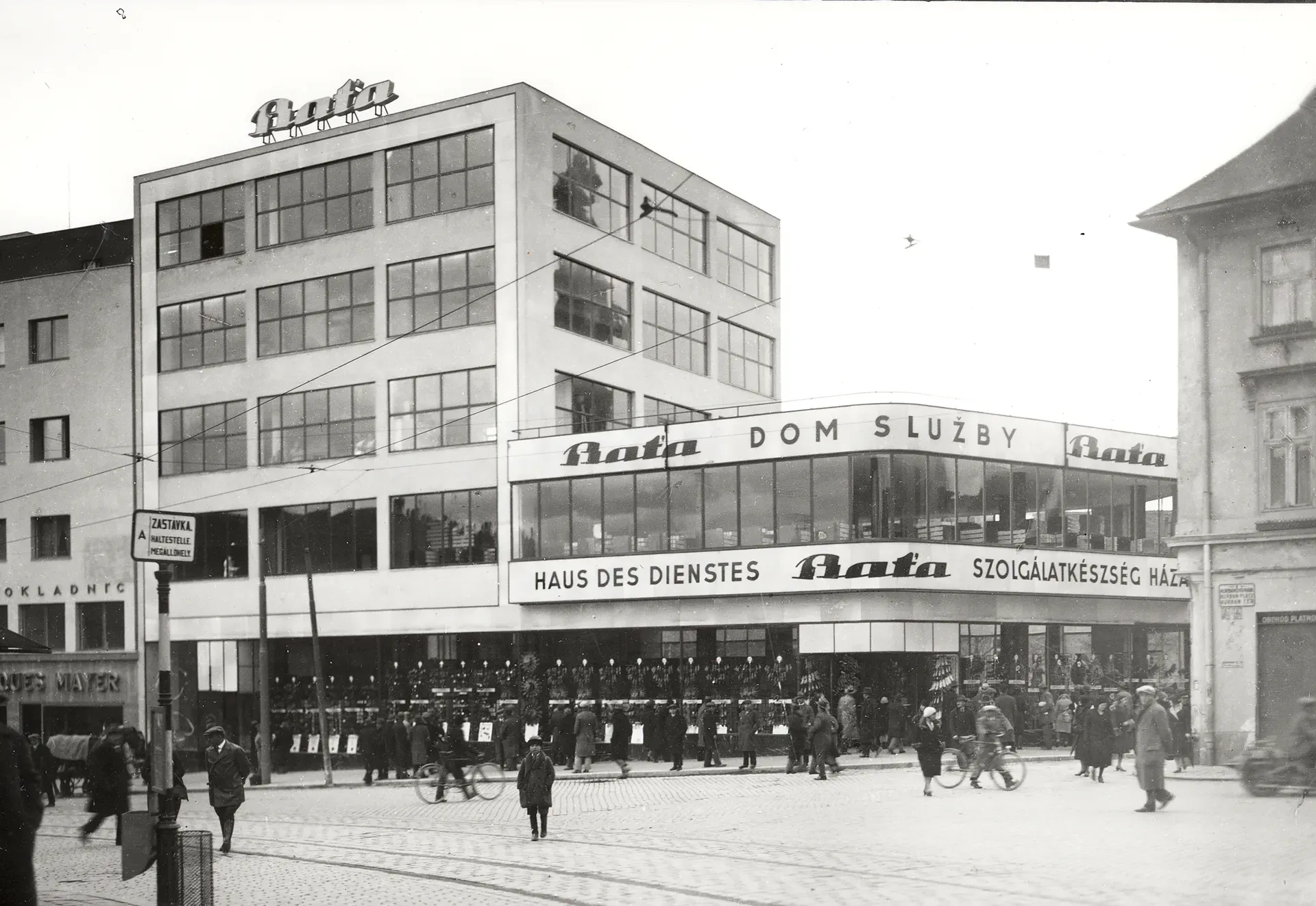
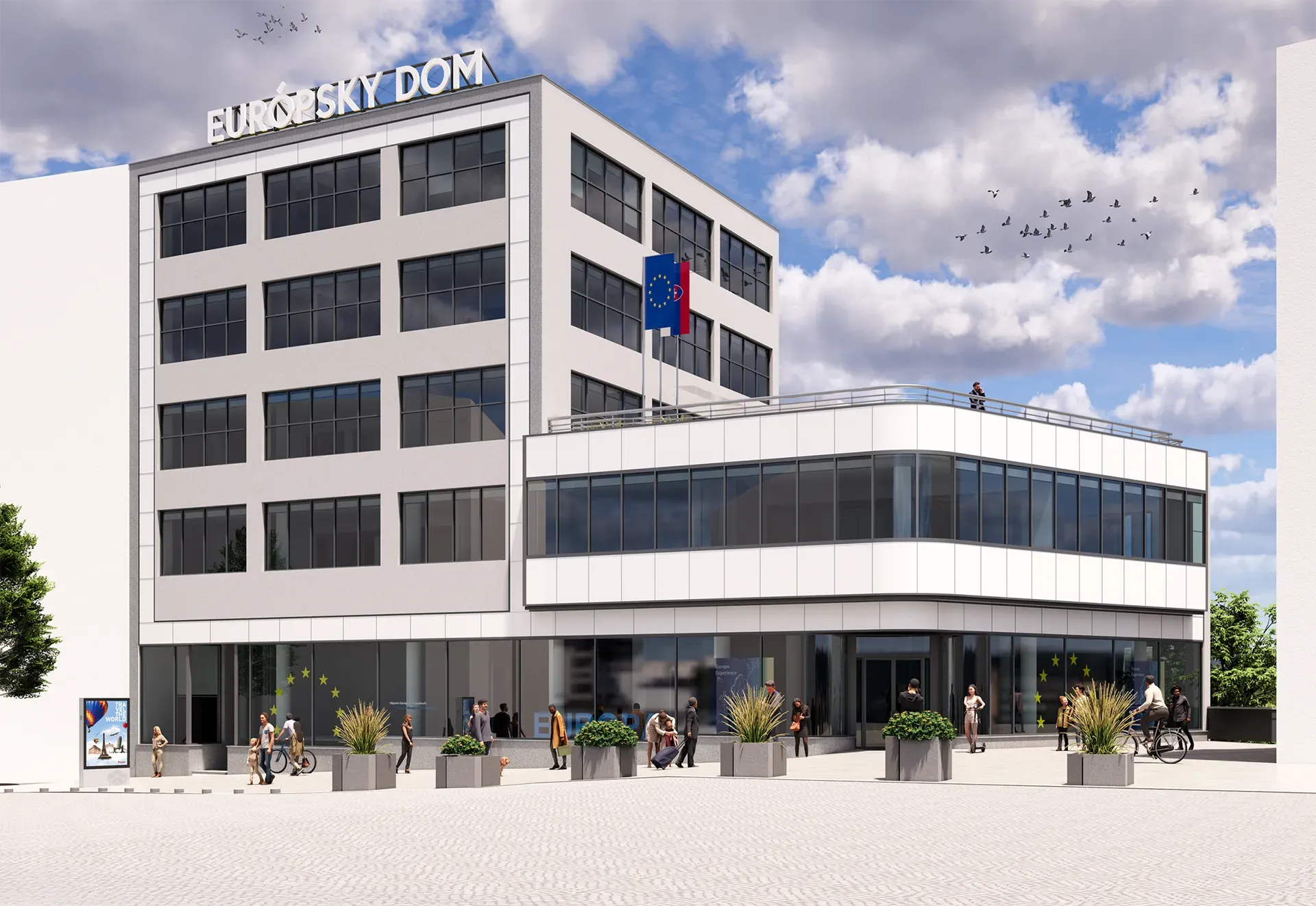
The Baťa Department Store (known today as Veľký Baťa) on Hurbanovo Square is a striking functionalist building from the early interwar period, designed by Vladimír Karfík for the Baťa company in the historic centre of Bratislava. Today, it is protected as a national cultural monument and stands as one of the city’s key symbols of modern transformation.
Before the current building, the site formed part of the city’s fortifications near Michael’s Gate; later, a Baroque house and a well-known wine tavern stood here. Their demolition sparked public and heritage debates. It was precisely this tension—between progress and preservation—that shaped the final design: a modern commercial building bringing new urban life, while respecting key sightlines and the character of the historic surroundings.
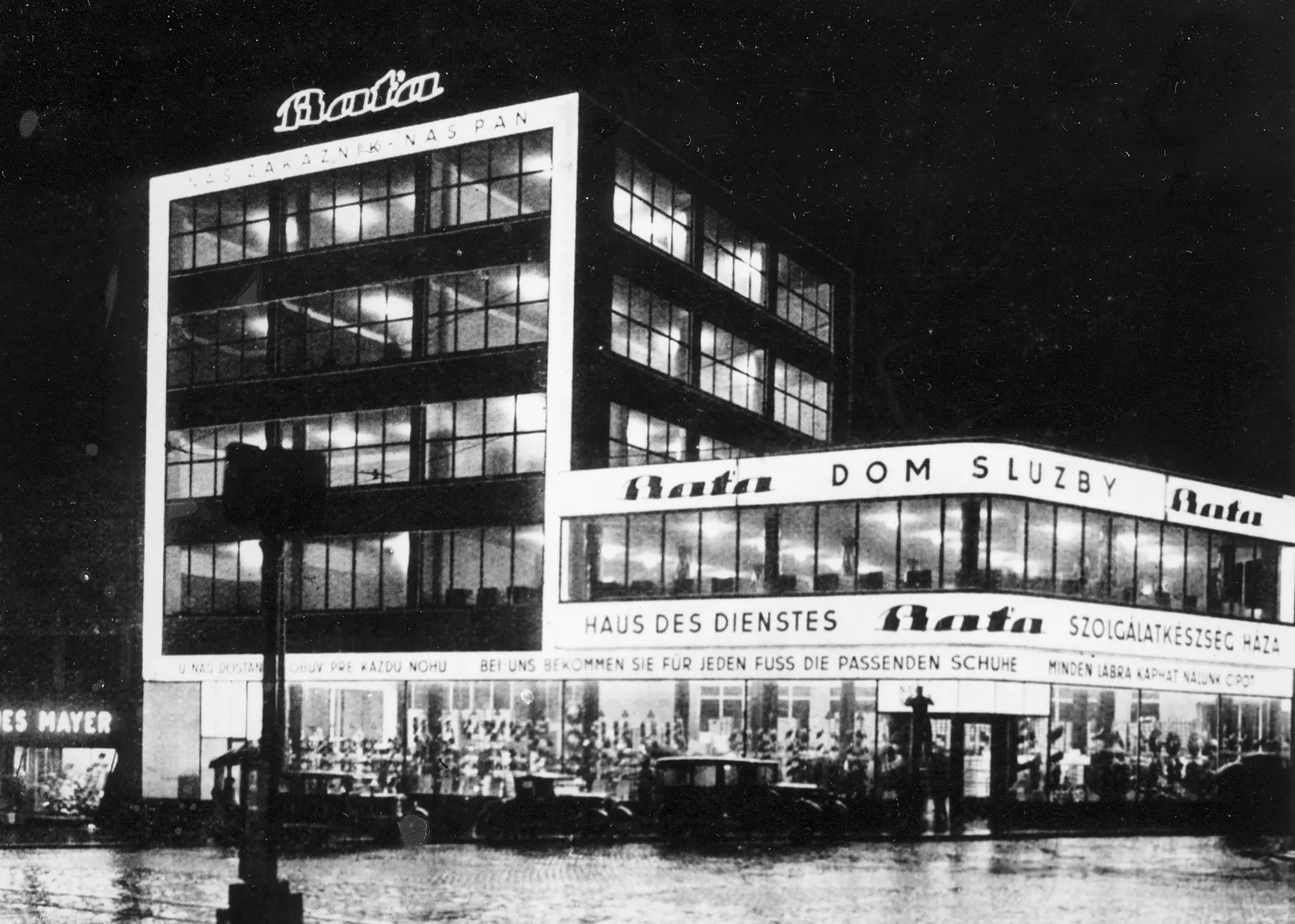
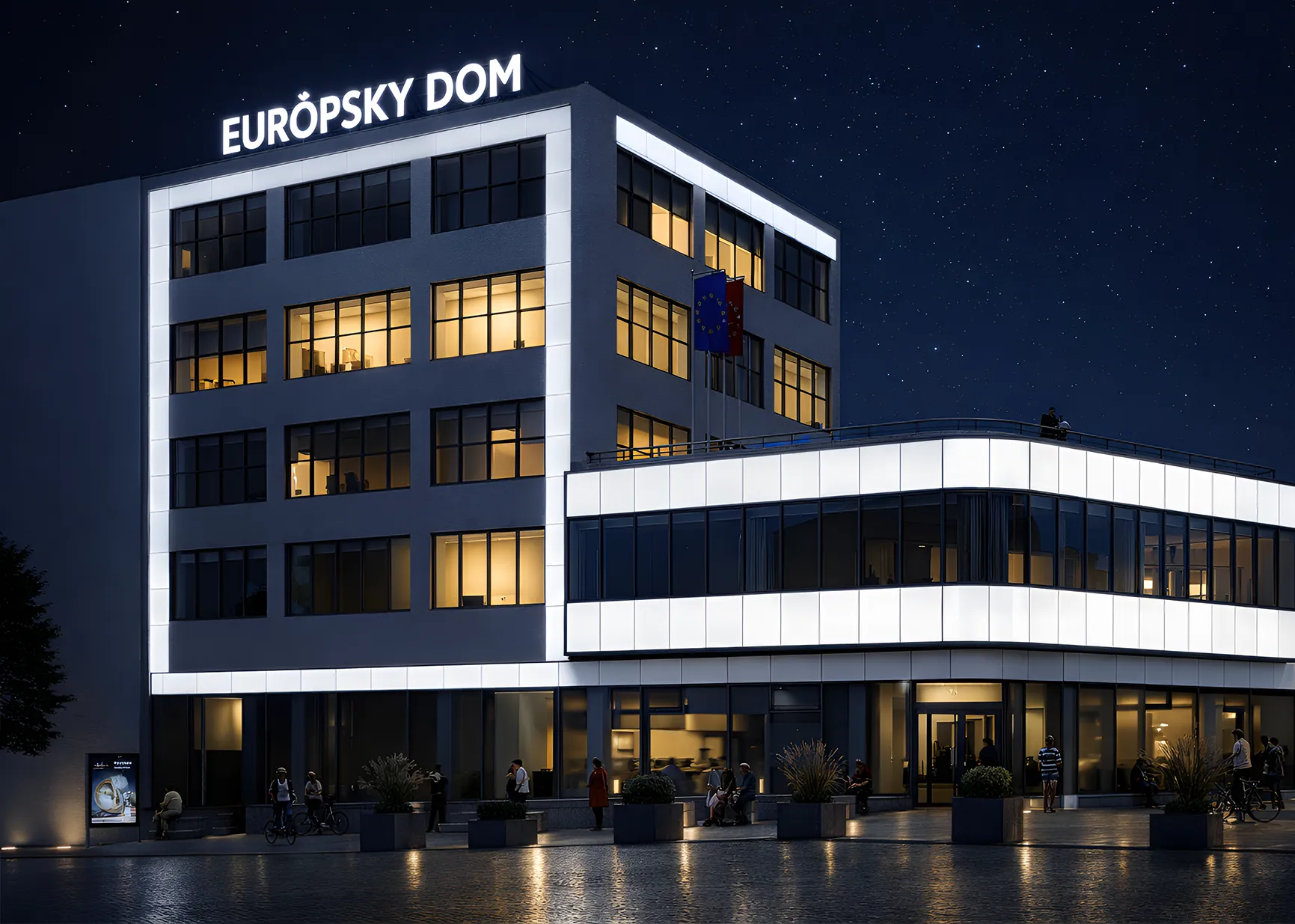
Karfík’s design follows the principles of functionalism: an open plan, a restrained façade with ribbon windows, and illuminated (neon) edges that turned the building into a visible urban signal after dark. The massing was carefully adjusted so the corner would not block views of Michael’s Gate—resulting in a lower volume at the corner and a higher section set back into the block. This sensitivity allowed Veľký Baťa to become a lasting part of Bratislava’s cityscape: modern in expression, yet in dialogue with its historic context.
Baťa architecture operates as a construction system: standardisation (a 6.15 × 6.15 m structural grid), typified layouts, and strict cost efficiency shape its aesthetic. Both factories and public buildings rely on reinforced concrete frames, brick infill, large windows, and flat roofs.
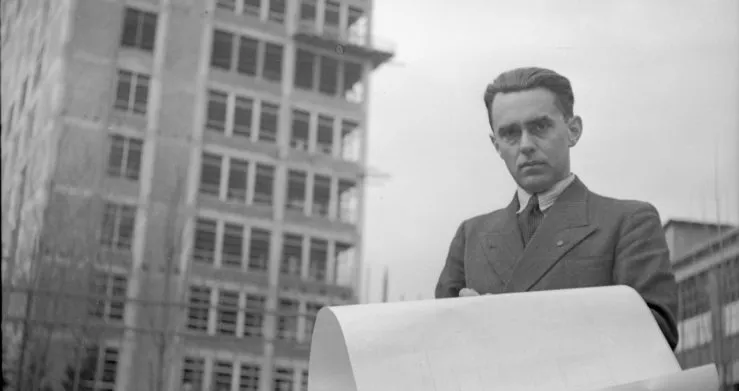
Vladimír Karfík (1901–1996) was one of the key figures of Czechoslovak functionalism and Baťa architecture. Born in Idrija (today Slovenia), he studied in Prague and gained early international experience in the studios of Le Corbusier and later in the United States with Frank Lloyd Wright.
From 1930 to 1946, he led the design and construction department of the Baťa company in Zlín. His work became closely associated with principles of standardisation, modular systems, and rational construction—approaches that enabled rapid and efficient building across industrial, civic, and residential projects. After the war, he moved to Bratislava, became a professor at the Slovak University of Technology, and helped shape the local architectural school. Between 1956 and 1958, he served as dean of the faculty.
His legacy in Slovakia is particularly visible in Bratislava, including the Baťa Department Store and the Church of the Exaltation of the Holy Cross in Petržalka. He also played a key role in the development of Baťa industrial towns such as Partizánske (formerly Baťovany) and Svit. In post-war Bratislava, his work extends to the “Závod mieru” industrial complex and residential developments such as Biely Kríž and Vistra, as well as early prefabricated housing systems.
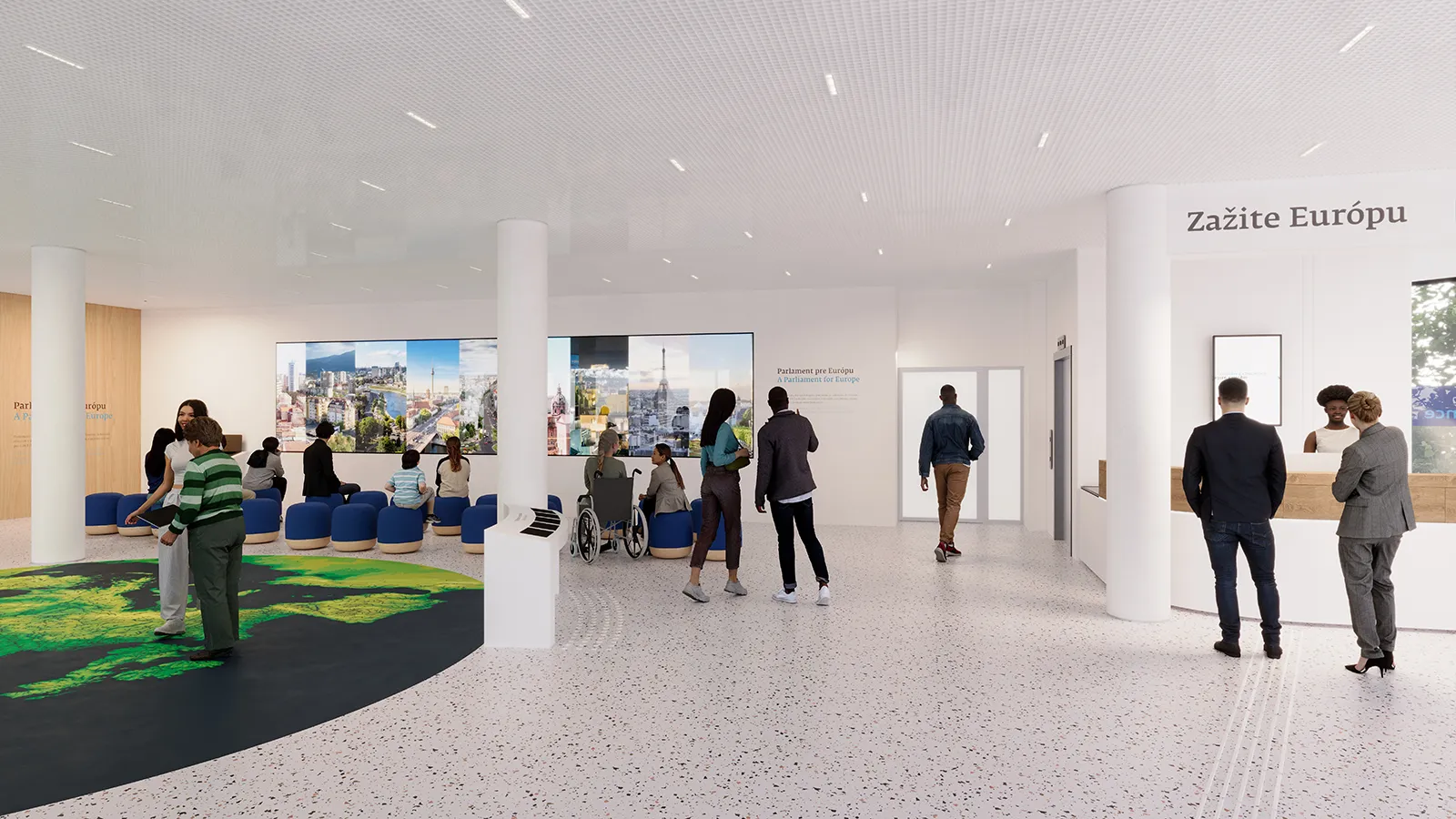
A new European House is now taking shape within the historic Baťa building, alongside the Europa Experience Bratislava. This will be an open space for anyone who wants to better understand how the European Union works—how decisions are made, and how they shape everyday life across Slovakia and Europe.
Europa Experience is a modern multimedia centre featuring an interactive exhibition, audiovisual installations, and digital stations. Visitors can explore stories from across Europe, learn about Members of the European Parliament, and understand how European institutions work together to address shared challenges—from climate change to technological transformation.
The space will also include an immersive cinema and an interactive map of Europe, using advanced technologies to bring the EU closer to its citizens. All content will be available in all official EU languages, and entry will be free of charge.
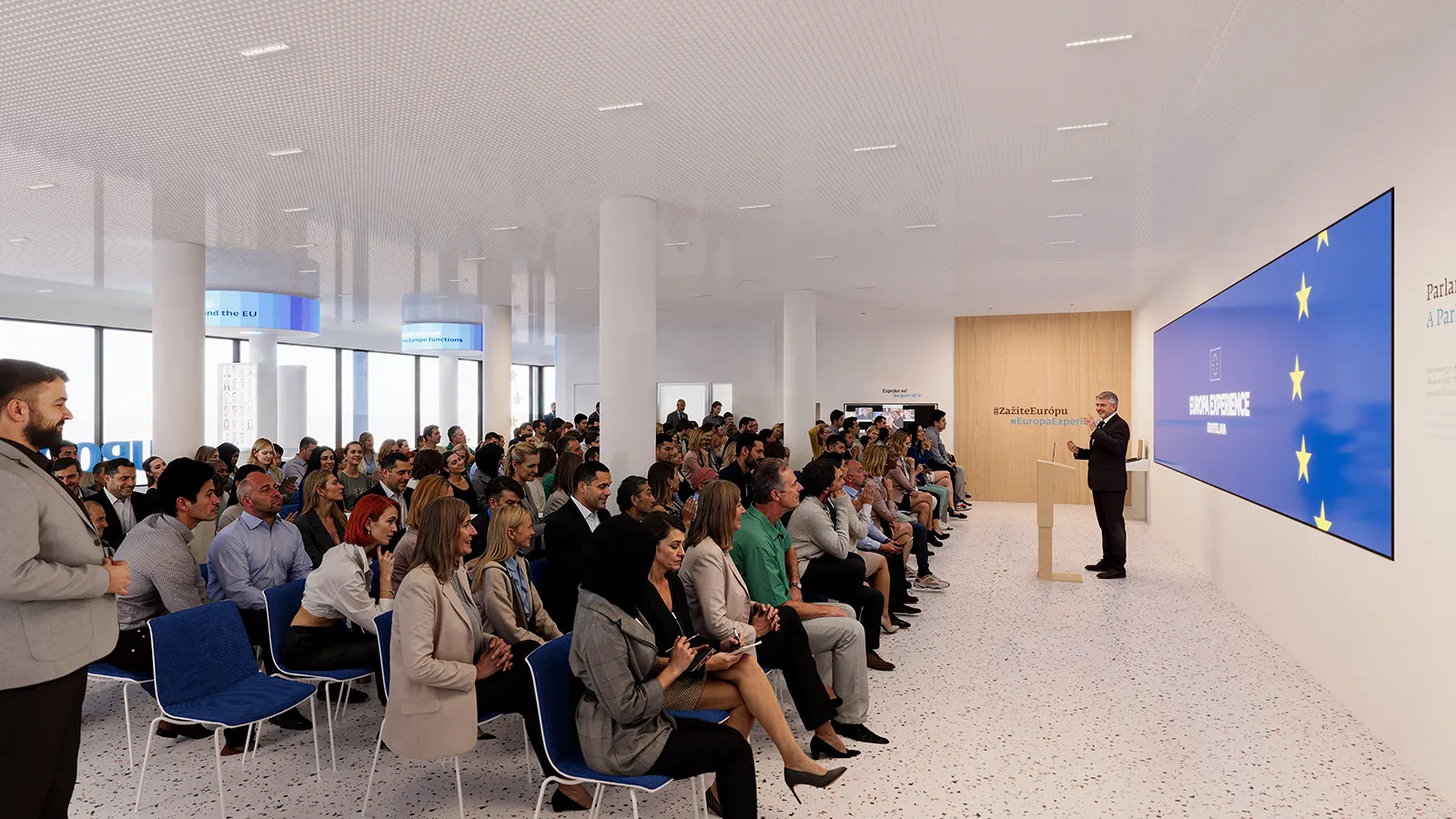
One of the most engaging features of the European House will be the European Parliament role-play game. Visitors step into the role of Members of the European Parliament for a few hours. They form political groups, debate, negotiate, and work towards compromise—mirroring the real legislative process in Brussels and Strasbourg.
Through this simulation, participants experience how European laws are made, how political negotiation works, and why cooperation across different viewpoints is essential. The programme is designed mainly for students and groups, but its purpose is simple: to understand European democracy by experiencing it firsthand.
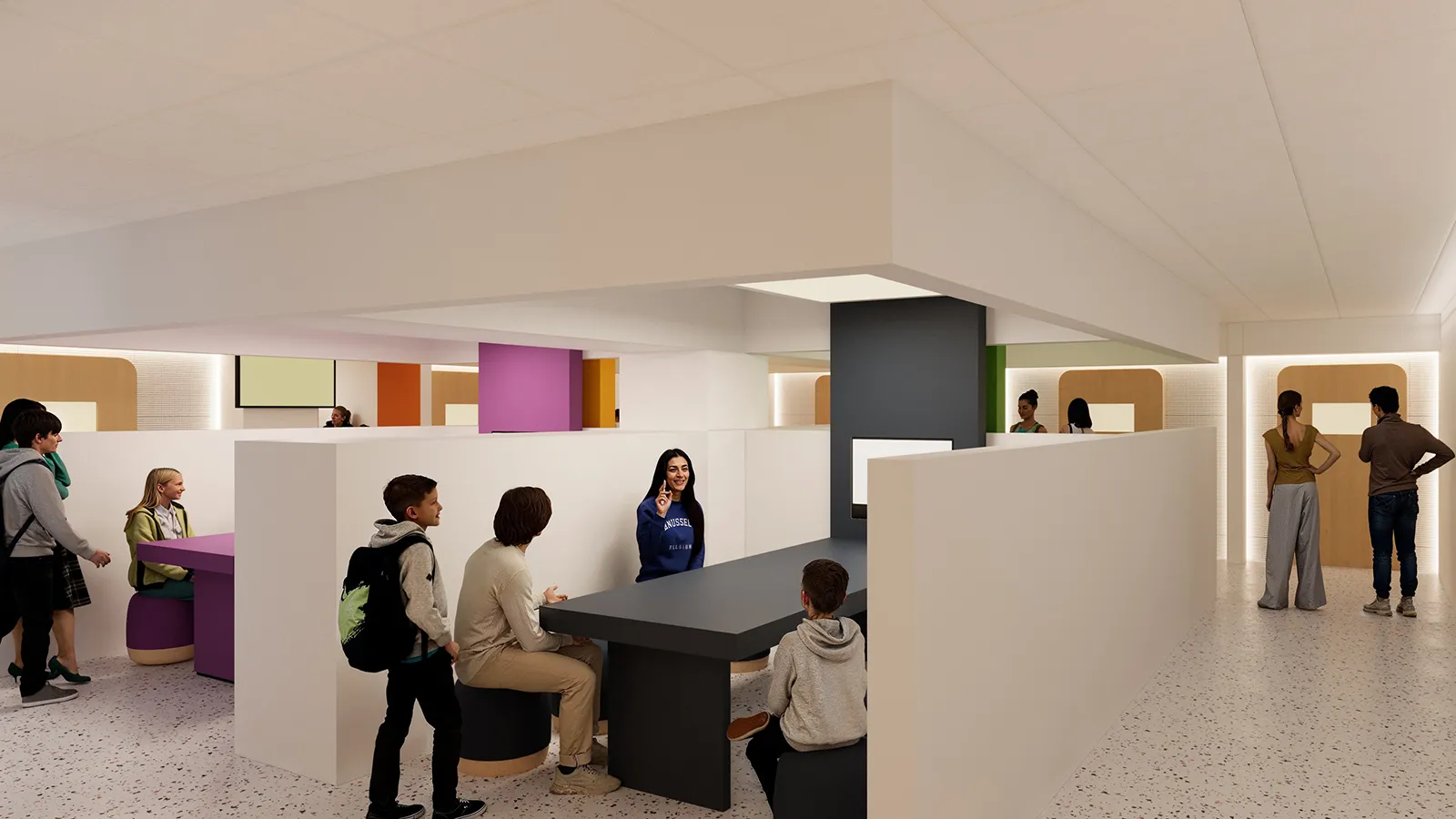
The European House will not be just an exhibition. It will be a living public space—for debates, lectures, screenings, and encounters. Bratislava gains a new place where European topics become accessible, tangible, and open to all.
Europe will not only be explained here. Europe will be experienced here.
A new chapter is about to begin. OPEN THE DOOR.